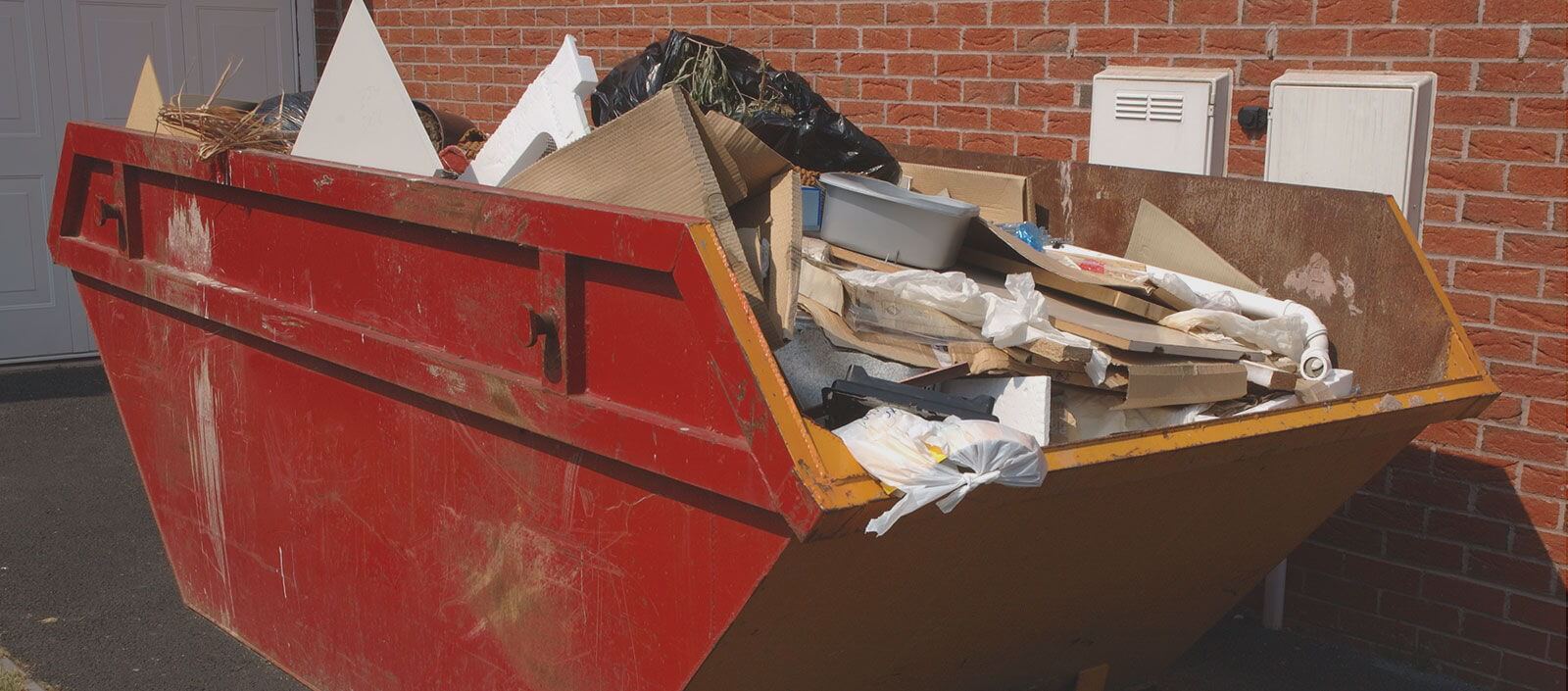
Waste Removal in Streatham for homes, businesses and clear-outs
Waste Removal Streatham provides rubbish collection and clearance in Streatham, with practical support for household waste, bulky items, garden waste, office contents and builder’s debris. The service is built around removing unwanted material safely and efficiently, while keeping the process straightforward for customers who need more than a basic bin collection. If you are planning a one-off clear-out or arranging regular removal of mixed waste, the aim is to make the next step easy to understand.
We cover a broad range of common clearance jobs, from single-item uplift to fuller removals that need more sorting and loading time. Our services overview sets out the main types of work in one place, including domestic and commercial collections. That can help you match the job to the right service before you request a quotation. Clear scope matters because different waste streams often need different handling, and the right category can make planning much simpler.
For many customers, the most useful starting point is to think about what is being removed, where it is located, and whether any awkward access is involved. A loft full of mixed items is very different from a pile of garden cuttings or a few pieces of furniture. One well-described enquiry is usually enough to get the conversation moving. When you are ready, you can ask for a quote in plain language and we can help you identify the most suitable service.
Domestic waste collection and household clearances
Household waste removal often needs a flexible approach because homes produce several different types of unwanted material at once. We handle domestic waste collection for bagged rubbish, broken household items and mixed non-hazardous clutter that has built up over time. The practical benefit is that you can clear a room, cupboard, shed or landing without having to split everything into separate arrangements first. It is a simple option when you want household waste taken away in one visit.
Some jobs are better described as a general rubbish collection in Streatham, especially where the load is mixed and does not fit neatly into one specialist category. That can suit spring cleans, after-move clearances and one-off tidy-ups where the main aim is to remove accumulated material responsibly. If the contents include a mixture of everyday rubbish, packaging, old small items and dismantled fittings, a broader collection page can help you keep the enquiry focused.
What usually makes domestic jobs different
Domestic work is often shaped by access, sorting and the time needed to carry items out safely. A clear inventory is helpful because it lets you distinguish between loose bags, heavier furnishings and any items that may need extra care. It also helps to know whether the waste is in a hallway, attic, garage or garden store, as that affects loading and removal. Please make sure anything retained or reused is set aside before the collection is arranged.
Furniture removal, appliance disposal and bulky items
Bulky items can be awkward to move through stairwells, narrow landings and tight doors, so furniture removal needs more than just transport. We can help with sofas, tables, wardrobes, beds and other large household pieces that are ready to go. The right approach depends on size, weight, dismantling needs and whether the item is on the ground floor or somewhere less accessible. That is why a short description is often more useful than a long explanation.
Where appliances are part of the load, you may prefer a dedicated white goods and appliance disposal option. Fridges, freezers, washing machines and similar items can call for different handling from ordinary furniture, particularly if they are heavy or awkward to manoeuvre. Separating those details at the enquiry stage makes the quotation more accurate and helps keep the collection organised from the outset.
Bulky clearances are often easier when the item list is honest and specific. If a wardrobe has already been taken apart, say so. If a sofa bed still opens and closes, mention it. That kind of detail matters more than general labels, because it affects loading space, lifting and the number of people needed on the job. Accurate description is usually the best way to avoid delays on the day.
Garden waste removal and outside clear-ups
Garden waste removal is useful when a tidy border, cut-back hedge or landscaping job leaves behind material that is too much for ordinary household disposal. We can collect green waste such as branches, cuttings, leaves and other outdoor debris, along with mixed material from shed tidy-ups or small garden projects. This kind of work is often seasonal, but it can also be needed after a redesign, pruning session or general outdoor clean-up.
If your main concern is garden debris, the dedicated garden waste removal page is the most direct place to start. It is especially useful where the job mainly involves organic material and outdoor clutter rather than indoor household waste. For clearer quotations, it helps to say whether the waste is piled, bagged, already cut into lengths or still attached to roots, fencing or planters.
Planning an outside collection well
Garden clearances often depend on how far the waste has to be carried and whether access is across a driveway, side path or rear garden. Wet soil, thorny cuttings and mixed rubble can all affect handling, so a simple description of the material helps us judge the work properly. If you have a mixture of green waste and old outdoor furniture, it is worth mentioning both so that the removal can be planned as one coherent job rather than as several separate tasks.
House, loft and office clearance options
Some jobs need a fuller clearance rather than a single-item collection. House clearance is often the right choice when rooms need to be emptied of mixed contents, whether after a move, a tenancy change or a long-overdue declutter. The task usually involves a combination of sorting, lifting and removal, so the important part is knowing what remains in place and what should be taken away. A careful description of the rooms and the main item types is usually enough to start.
For stored items in hard-to-reach spaces, the loft clearance service can be a better fit. Lofts often contain boxes, old suitcases, decorations and long-forgotten belongings, and they may also involve steep ladders or limited headroom. That makes access a key part of the job. Where workspaces are being emptied instead, office clearance covers desks, chairs, filing and other business contents that need to be removed in an orderly way.
Full-property clearances benefit from a simple order of operations. First identify what is staying. Then note any especially large or fragile items. Finally, tell us how the space is accessed and whether there are parking or entry restrictions. Those three points give a practical basis for a quotation and help avoid confusion when the collection is arranged.
Commercial waste removal and business premises
Commercial waste removal is aimed at businesses that need dependable removal of unwanted materials from offices, shops, storage rooms or other working premises. It can include packaging, old fixtures, redundant furniture and mixed waste from refurbishments or clear-outs. The service is useful where the waste is not just a bin issue but a larger removal task that needs scheduling around the way the premises operate.
For workplace and retail clear-outs, the commercial waste removal in Streatham page gives a more specific route into that service. It is suited to companies that want a straightforward way to remove clutter without turning the job into a major disruption. If you are dealing with desks, meeting chairs, shelving or stockroom items, that distinction matters because commercial jobs often involve a different mix of materials from domestic ones.
A good commercial enquiry usually states the premises type, the likely volume and whether the work should happen during quieter hours. If access is through a shared entrance or a busy service area, include that as well. Business clearances are easier to estimate when the route, the contents and the timing are all described clearly at the start.
Builders’ waste and mixed site debris
Builders’ waste disposal is designed for the aftermath of repairs, refurbishments and small construction jobs where material has to be cleared once the work is finished. This can include rubble, broken fixtures, timber offcuts, packaging and other debris from building activity. The key point is that the waste may be heavier, dustier or more mixed than ordinary household rubbish, so it should be described carefully when you ask for a quote.
If your project has left piles of trade waste rather than general junk, the builders’ waste disposal service is the most relevant choice. It is useful where the job includes renovation leftovers, stripped-out fittings or material cleared from a work area after completion. That is a practical alternative to general household removal when the contents are clearly tied to construction or maintenance work.
For this type of work, the most helpful details are the approximate volume, the kinds of material involved and whether anything is awkwardly stacked or scattered. If the waste includes sharp edges, heavy masonry or long timber sections, mention that directly. It helps the removal team understand the load and lets the quotation reflect the actual work rather than a vague description of “building waste”.
Pricing, quotations and how to describe the job
Waste removal prices are usually influenced by the type of waste, the amount to be taken, the labour involved and any access difficulties. That is why a clear quotation process matters. If you want to compare options, the dedicated prices page is useful for understanding how the service is presented, while pricing and quotes explains how to move from an initial enquiry to a more tailored figure. Together, they give a sensible starting point before you make contact.
There is no need to overcomplicate an enquiry. A short list usually does the job: what needs removing, roughly how much there is, where it is located, and whether anything is especially heavy or fragile. If you can mention access, parking and timing preferences, that helps too.
- Identify the main waste type.
- Note the approximate quantity.
- Explain where it is kept.
- Mention anything that needs dismantling or extra handling.
That approach keeps the discussion focused and gives a quote request the right shape.
To arrange the next step, you can ask for a quotation in your own words and keep the description brief but specific. If you need to check the practical side first, the contact us page is the final place to send that request. Please include the main waste type and the location in your message so it can be directed appropriately. If you are unsure which service fits, we can help you choose the closest match before the collection is booked.
About Streatham
Streatham is a district in south London, within the London Borough of Lambeth, known for its long High Road and its position on a ridge running south from Brixton. Historically part of Surrey, it developed as a settlement along an important route out of London, and much of its character still reflects that linear pattern of streets and shops. The area includes a mix of Victorian and later housing, interwar developments and commercial stretches that give the neighbourhood a layered built environment rather than a single architectural style. Streatham Common is one of the best-known open spaces in the area, with a mix of grassland, wooded sections and pathways that provide a natural contrast to the main road corridor. Nearby, Tooting Bec Common extends a broader belt of public open space to the north-east, while Streatham Hill and Streatham station connect the district to the wider city. Cultural life has often centred on its cinemas, pubs, churches, schools and local shopping streets, and the area has long been associated with a busy suburban identity rather than a historic village centre. Over time, that combination of transport links, open space and mixed housing has helped Streatham remain recognisably urban while still retaining pockets of quieter residential character.
Service choices for different kinds of clearance
Choosing the right clearance service is mainly about matching the contents to the job. A straightforward household tidy-up may only need domestic waste collection, while a property emptying task could fit house clearance or loft clearance better. Commercial premises, meanwhile, are usually handled more efficiently through a business-focused collection, because the contents and access patterns are often different. The most suitable choice is the one that describes the actual material rather than a vague idea of “junk”.
If you are comparing related options, the furniture removal and furniture disposal pages help separate reusable or movable items from those that are simply being taken away. That distinction can be useful when you have a room full of mixed contents, because it makes the load easier to describe. The same principle applies to ordinary rubbish collection: the more clearly the waste is identified, the easier it is to plan the job sensibly.
Useful details to include
When you are ready to ask for a quote, include any relevant limits or complications once, then leave the rest to the service conversation. A single note about stairs, narrow access, basement storage, shared hallways or heavy lifting is often enough. If the work involves several areas, mention them in order. That keeps the request concise while still giving a realistic picture of the clearance.
Responsible handling and final quotation request
Waste removal should not only solve a practical problem; it should also be handled with care, especially when the load contains mixed materials that need separating or directing to the right destination. The way waste is presented matters because it can affect what type of removal is suitable. If you want to read more about standards and related service information, the recycling and sustainability page and the insurance and safety page provide useful supporting detail. Those pages are a sensible follow-up once you have decided what needs clearing.
For a smooth quotation request, keep the message practical and direct: what needs removing, where it is, and how soon you would like it assessed. If there are any special handling needs, say so plainly rather than assuming they are obvious. You do not need a long explanation to begin with; a short, accurate summary is normally enough. If this is the point where you want to move ahead, please request a quotation and we will help you take the next step.
Ready to get started? Send your waste removal details now and ask for a quotation today. If you prefer to check the broader service information first, start with the relevant page and then come back to your enquiry when you are ready.